A lawyer who pushes back against rider bias
Insurers and juries often assume the rider was reckless. We come prepared with reconstruction, gear evidence, and the rider’s side of the story — not as a defense, but as the case itself.

Riders get blamed first and paid last. We push back against the bias, document the case, and force insurers to value your injury for what it actually cost you.

What sets a motorcycle claim apart — aggressive insurers, biased jurors, and the experience to push past both.
Motorcycle claims start with a steep climb — rider bias from adjusters, biased assumptions from drivers, and injuries that often outlast the case itself. The first 48 hours decide a lot.
Adrenaline hides injuries. Concussions and some internal or orthopedic injuries may not be fully apparent immediately after a motorcycle crash and can take hours to become noticeable. ER records the same day are the foundation of any claim.
Helmet damage, gear scuffing, and bike resting position are critical to reconstruction. Photograph everything — helmet, jacket, gloves, boots, and the bike from every angle — before anything is repaired or thrown out.
Drivers often claim “I didn’t see the motorcycle.” A police report locks in their statement and the officer’s on-scene assessment of fault. Never decline one.
Motorcycle adjusters lean into rider bias hard — speed, lane-splitting, gear, anything to shift blame. Politely decline recorded statements and route every call through counsel.
Motorcycle crashes produce some of the most severe injuries in personal-injury law. Early releases generally close the claim, even if injuries later turn out to be more serious than expected. A free consultation costs nothing.
Get a lawyer on it today.
Motorcycle cases are different. Florida’s no-fault PIP doesn’t cover riders, juries carry assumptions, and adjusters push fault onto the rider by default. Hiring counsel built for those headwinds is how riders actually get paid.
Insurers and juries often assume the rider was reckless. We come prepared with reconstruction, gear evidence, and the rider’s side of the story — not as a defense, but as the case itself.
Florida’s PIP system excludes motorcyclists. That means PIP generally will not cover the rider’s injuries; recovery may instead come from applicable liability, UM/UIM, medical-payments, health-insurance, or other available coverage depending on the circumstances. We make sure every applicable policy pays.
Motorcycle crashes produce severe injuries. We document road rash, orthopedic damage, head trauma, and long-term effects so the claim reflects the full cost — not the lowball numbers adjusters quote first.
Insurers know which firms file suit and try motorcycle cases. Decades of South Florida trial experience help us evaluate low offers and negotiate from a position grounded in the evidence and damages.
A motorcycle claim covers more than the ER bill. Because PIP generally does not apply to motorcycle riders, applicable liability and UM/UIM coverage may be important sources of recovery, and the full impact of the crash belongs in the demand.
Hospital bills, surgeries, skin grafts, physical therapy, prosthetics, lost wages, and reduced future earning capacity. Motorcycle crash medicals often run into six figures — we document every dollar.
Pain and suffering, permanent scarring and disfigurement, emotional distress, loss of consortium, and the way a serious crash changes daily life. In rider cases these damages often dwarf the medical bills.
Catastrophic motorcycle injuries can require lifelong care — mobility assistance, ongoing surgery, and pain management. A correctly built claim accounts for future cost, not just today’s bill.
Motorcycle claims demand evidence, reconstruction, and a willingness to push back hard. Our four-stage process is built around what actually moves rider cases.
The first 72 hours
We secure photographs of the bike, gear, and scene, retrieve the police report, lock in witness statements, and obtain any traffic-cam or business surveillance footage before it overwrites. Reconstruction starts immediately.
Pushing back on bias
Insurers default to blaming the rider. We build the at-fault driver’s case — phone records, distraction evidence, conflicting statements — and reframe the claim around the driver’s negligence, not the rider’s gear.
Full picture of the injury
We compile every medical bill, every lost-wage figure, every expert opinion on future care, and the long-term effect of road rash, orthopedic damage, and head injury. Motorcycle damages are larger than they look on day one.
When the offer doesn’t match the harm
Carriers settle fastest with firms that file suit and try rider cases. Decades of South Florida trial experience can strengthen our negotiating position, even when a case resolves without trial.
Carriers value rider cases based on evidence, not assumptions.
Start your free case reviewFederal safety research identifies failure to yield and failure to perceive the motorcyclist as major factors in multi-vehicle motorcycle crashes. Showing how the other driver failed to yield, failed to see the rider, or otherwise acted negligently is often central to liability in a multi-vehicle rider case.
One of the most common multi-vehicle motorcycle crash patterns, where a driver turns across the rider’s path, often because the motorcycle was not seen or its approach was misjudged. Clear liability, hard-fought damages.
Phones, GPS, infotainment. A momentary glance away from the road is enough to miss a motorcycle entirely. Phone records often build the case.
Drivers merging into a rider’s lane without checking blind spots. Florida traffic law puts the duty squarely on the driver.
High-speed and impaired-driver crashes can produce catastrophic rider injuries and, in especially serious cases, may support a claim for punitive damages.
The cause of the crash builds liability — and liability builds every dollar of recovery.
From classic left-turn crashes to multi-policy commercial cases, we handle the full range of rider claims South Florida sees.
How the crash happened shapes the injuries, the evidence, and the liability theory. We handle every rider collision pattern Florida roads see.
Driver turns left across the rider’s path. A common multi-vehicle rider crash pattern, with liability often turning on whether the turning driver failed to yield.
Following driver hits a stopped or slowing motorcycle. Often produces severe spinal and head injuries even at low speed.
Drivers merging without checking. Strong liability case — the rider had the right of way.
Some rider claims involve uninsured drivers, hit-and-run, commercial defendants, or layered policies. The strategy — and the recovery sources — change.
Even when the at-fault driver flees, your own UM coverage may apply. We move quickly to preserve evidence and identify the driver.
Truck, delivery van, or rideshare at fault. Commercial policies can provide substantially higher available liability limits.
Crashes caused by road defects, defective gear, or motorcycle product defects open product-liability or governmental-defendant claims.
We’re ready to help.
Rider injuries are some of the most severe in personal-injury law. Even at moderate speeds, a rider absorbs forces a passenger vehicle never feels — which is why early documentation matters so much.
Concussions and serious TBI even with a helmet on. Symptoms often surface days later — same-day medical records are essential.
Herniated discs, compression fractures, and partial paralysis. Among the most life-altering injuries in motorcycle law.
Skin abrasions through gear can require debridement, skin grafting, or other significant treatment. Permanent scarring carries its own non-economic damages.
Wrists, collarbones, ribs, femurs, and pelvis. Open fractures often require surgical hardware and months of physical therapy.
Crush injuries cause organ damage and internal bleeding that may not present symptoms until hours after the crash.
Catastrophic motorcycle crashes are too often fatal. Under Florida's Wrongful Death Act, the personal representative may pursue damages for qualifying survivors and the estate, including damages provided by law.
Because Florida PIP generally does not apply to motorcycle riders, applicable liability coverage and the rider’s own UM/UIM coverage may provide sources of recovery depending on the circumstances. Done right, that includes both today’s bills and lifetime cost.
Immediate, calculable losses in the weeks after the crash.
Rider injuries compound for years. The full impact belongs in the claim.
Find out what your motorcycle case could be worth.
Speak with a lawyer about recoveryRecovery may come from applicable liability, UM/UIM, or other available coverage.
Motorcycle claims demand a firm built for catastrophic injuries, aggressive insurers, and rider-biased juries. That’s what we’ve built in South Florida.
Insurers default to blaming the rider. We come prepared with reconstruction, helmet and gear evidence, witness work, and a credible willingness to try the case — that’s how rider bias gets defeated.
Catastrophic motorcycle injuries demand specialists — trauma surgeons, orthopedic teams, neuropsych evaluations. We connect riders with the right doctors on letters of protection so there’s no out-of-pocket cost while the case is pending.
Driver carriers spend heavily defending rider claims. We invest in the reconstruction, the experts, and the depositions needed to level the field.
Carriers respond to firms that file suit and try motorcycle cases. Decades of South Florida trial experience can strengthen our negotiating position, even when a case resolves without trial.
We work on a contingency fee. You pay nothing up-front, and our fee is a percentage of what we recover — if we don’t recover compensation, you owe no attorney’s fees.
Find out what your rider case is really worth.
Request a free consultationFlorida’s no-fault PIP system excludes motorcyclists. That means the at-fault driver’s liability coverage may be a primary source of recovery, with UM/UIM or other coverage potentially available depending on the circumstances. Expect recorded-statement requests, early lowball offers, and aggressive attempts to push fault onto the rider.
Strategic representation makes sure every conversation, every records request, and every offer goes through counsel. Your own UM coverage may also be in play.
In Florida, many motorcycle accident injury claims based on negligence are subject to a two-year statute of limitations under Fla. Stat. § 95.11, but the applicable deadline can vary depending on the claims and circumstances. A judge will dismiss your case if you file too late.
The practical deadline is much shorter. Witness memory, traffic cameras, and scene evidence start fading immediately. Adjusters start working a low-value narrative within days. Contacting a lawyer early can help ensure important records and evidence are preserved correctly.

Millions+ recovered for injured riders.
— A track record across South Florida courts
— Built for riders. Ready for court.
Carriers settle hardest with firms that push back on rider bias, build the case with reconstruction, and file suit when offers fall short. Four reasons clients trust us with their motorcycle claims.
Decades of work pushing back against rider bias in South Florida courts.
Reconstructionists, medical experts, and surveillance retrieval on day one.
You don’t pay attorney’s fees unless we recover compensation for you.
A documented record of taking rider cases to verdict when carriers refuse fairness.
Have you or a family member been hurt in a motorcycle crash in South Florida?
Contact our team for immediate legal assistance. You may be entitled to compensation for medical bills, lost wages, pain and suffering, and the long-term effect on your earning capacity. The driver’s insurer is already building their narrative.
The consultation is free. We come to the hospital, your home, or wherever works for you. Call now — before the carrier’s adjuster gets to you first.
Plain-English answers to the questions motorcycle clients ask most often in their first call with us. If yours isn’t here, the consultation is free.
Our motorcycle cases are handled on a contingency fee basis. You pay nothing up-front, and we only collect a fee if we recover compensation for you. The initial consultation is free.
No. Florida’s no-fault PIP system specifically excludes motorcyclists. Medical bills, lost wages, and pain-and-suffering damages may be pursued through applicable liability and UM/UIM coverage, depending on the circumstances.
Florida law allows riders over 21 with sufficient insurance to ride without a helmet. Not wearing a helmet doesn’t bar your claim, but it can factor into a head-injury damages analysis. We address it head-on as part of the case strategy.
Many negligence-based motorcycle accident claims are subject to a two-year statute of limitations under Fla. Stat. § 95.11, but the applicable deadline can vary depending on the claims and circumstances. The practical deadline is much shorter because witness memory and scene evidence fade fast.
Your own uninsured/underinsured motorist (UM) coverage may apply. We routinely handle UM claims for riders — including against your own carrier, who will fight just as hard as the at-fault driver’s carrier would.
Bring whatever you have. We’ll work with the police, hospitals, and insurers to obtain the rest.
Speak directly with a motorcycle attorney. Your consultation is free.
Many of our motorcycle clients have claims that overlap other practice areas. We handle them all in-house, so your case never gets handed off.
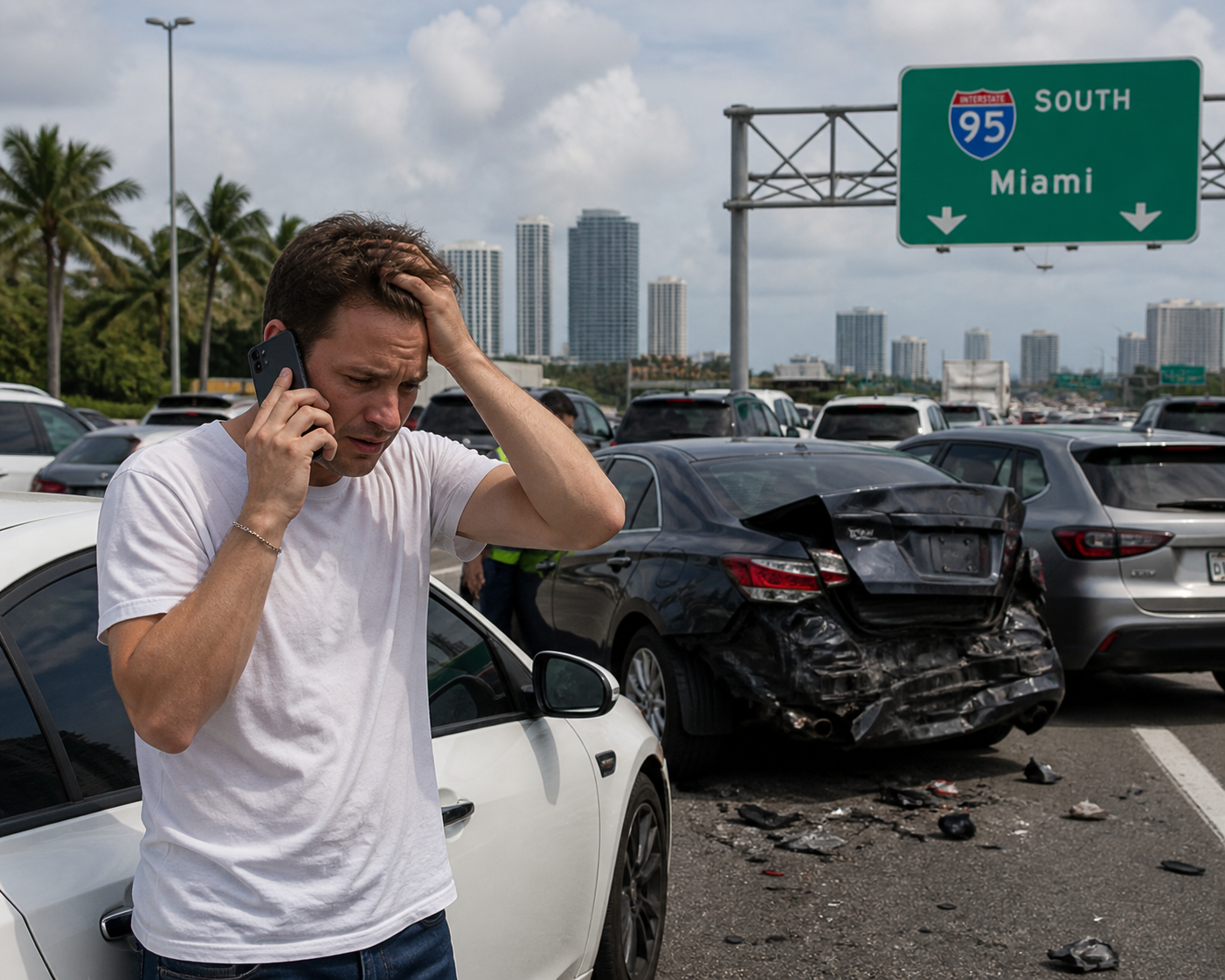
Crashes involving passenger vehicles across South Florida.
Learn more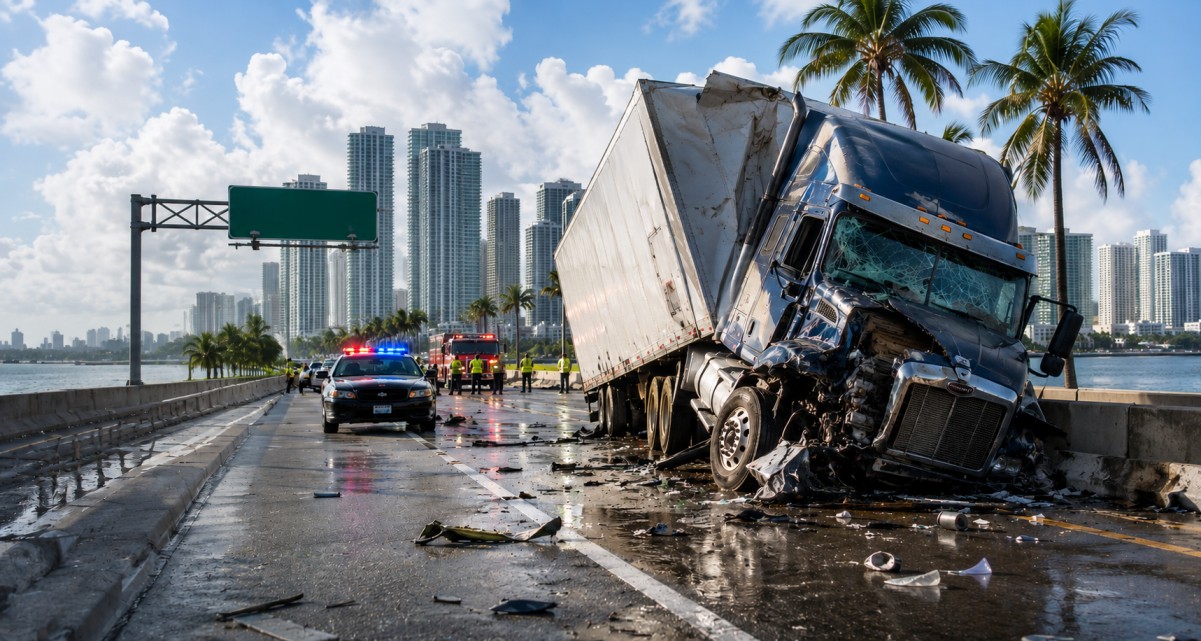
Commercial vehicle claims with federal regulations in play.
Learn more
Premises liability against negligent property owners.
Learn more
Crosswalk and intersection cases — often catastrophic.
Learn moreA brief conversation is often enough to understand whether you have a claim and what it may be worth. There is no charge for that conversation, and nothing you share is ever shared outside our firm.
Call us, or tell us about your case online. There is no fee for the consultation, and no obligation to continue. Everything you share is protected by attorney-client privilege.