
What Does Florida's Bicycle Helmet Law, § 316.2065, Require?
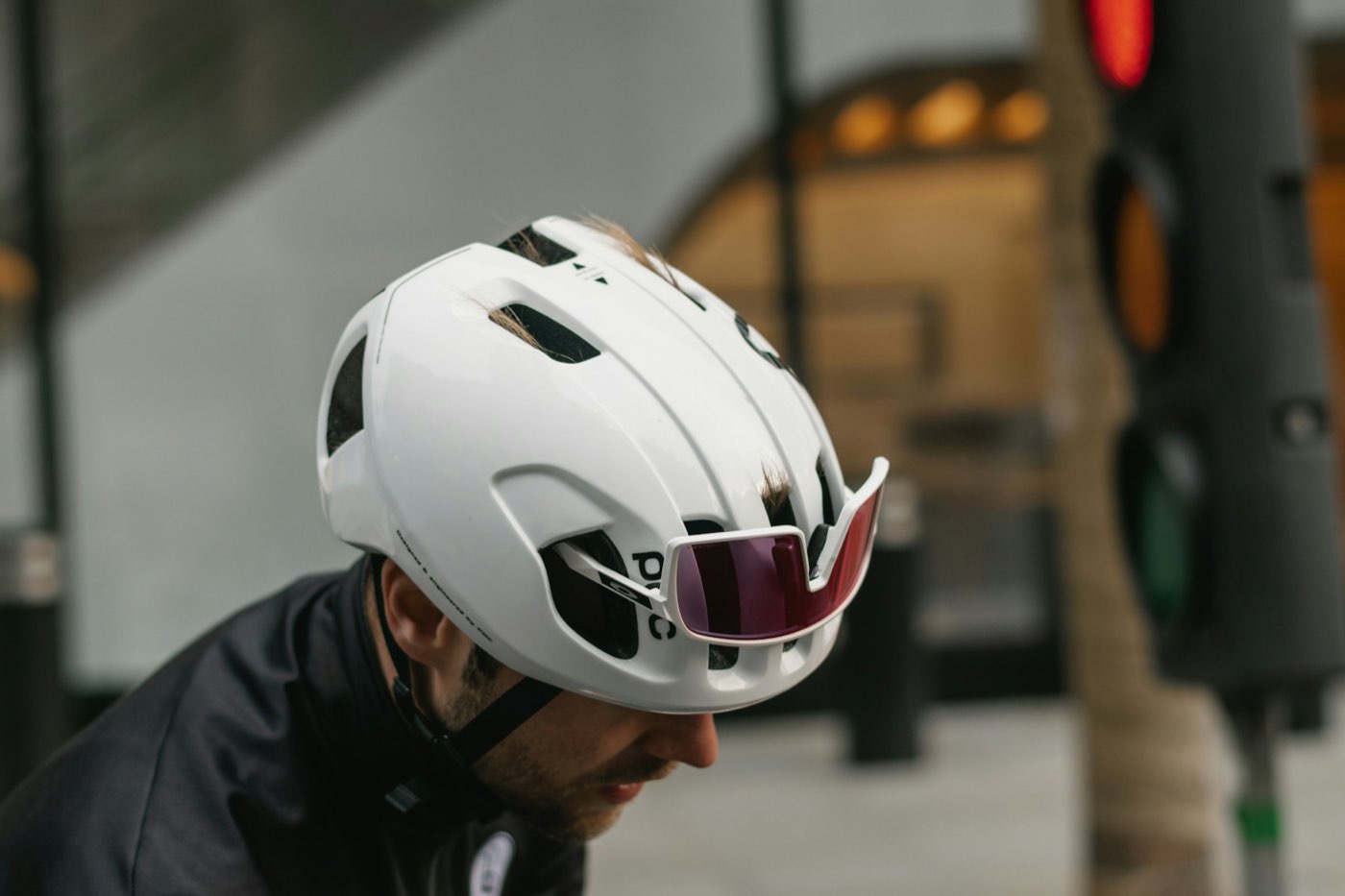
Florida requires a helmet only for bicycle riders and passengers under 16. Under § 316.2065(3)(d), the helmet must be properly fitted, fastened with a strap, and meet the federal bicycle helmet standard in 16 C.F.R. part 1203. Riders 16 and older are not required by state law to wear one.
The rest of the helmet section is narrower than most people expect:
- Child passengers count. The term "passenger" includes a child riding in a trailer or semitrailer attached to a bicycle (§ 316.2065(3)(d)).
- Enforcement is light. Officers and school crossing guards may hand out a safety brochure and a verbal warning, or an officer may issue a citation for a pedestrian-level violation. A first helmet violation is dismissed on proof that a compliant helmet was purchased (§ 316.2065(3)(e)).
- Rental shops have a duty. A business may not knowingly rent a bicycle to a child under 16 unless the child has a helmet or the shop provides one (§ 316.2065(15)).
Does Not Wearing a Helmet Reduce Your Recovery After a Miami Bike Accident?
Not as a question of fault. Section 316.2065(18) states that a person's failure to wear a bicycle helmet, or a parent's failure to stop a child from riding without one, may not be considered evidence of negligence or contributory negligence. A bare head should not earn you a share of the blame for the crash.
That protection matters more than ever. Florida now uses modified comparative negligence: under § 768.81(6), a person found more than 50 percent at fault for their own harm recovers nothing. Every percentage point of fault the insurer can pin on you lowers your recovery, and enough of them erase it. Subsection (18) takes the helmet off the list of things that can be counted.
Two limits are worth knowing. First, subsection (18) is written for bicycle helmets; motorcycle helmet questions fall under a different statute with different rules. Second, it does not stop the other side from disputing how badly you were hurt or whether a particular injury came from this crash. That is where the real fight usually happens.
How Do Insurers Use the Helmet Argument Against Miami Cyclists?
Adjusters often raise the missing helmet early, in recorded statements and low first offers, hoping you accept partial blame. Because the statute keeps it out as evidence of negligence, their real pressure point is your medical proof: they question whether every head, neck and back injury came from this collision.
Suzanne Bell spent 10 years as a Miami-Dade prosecutor (2005 to 2015), including time in the insurance fraud unit. That work showed her how carriers and their Special Investigations Units build a file toward a denial long before a letter goes out. In bike cases, the helmet is often the opening line of that file, not the closing one. Watch for these moves:
- Leading questions in a recorded statement, such as "you weren't wearing a helmet, right?", asked to create a record that sounds like an admission. You generally do not have to give a recorded statement to the other driver's insurer. Your own PIP carrier is different: it can require an examination under oath as a condition of paying benefits (§ 627.736(6)(g)).
- Discounted offers for pain and suffering, framed as "your injuries would have been minor with a helmet."
- Causation attacks, built on gaps in treatment, prior injuries or inconsistent symptom reports.
- Fault shifting to other conduct, such as riding at night without lights or outside the bike lane, which, unlike the helmet, can legally count against you.
The answer to most of these is the same: prompt medical care, consistent records, and letting a lawyer handle the carrier's questions.
What Can Actually Reduce Your Bike Accident Claim Under Florida's Fault Rule?
Your own traffic conduct, not your helmet. Florida gives a cyclist the same rights and duties as the driver of any other vehicle, so running a signal, riding against traffic or riding at night without required lights can shift fault to you. Under § 768.81(6), more than 50 percent fault bars recovery.
The bicycle statute sets several duties that insurers check first (§ 316.2065):
- Front white lamp and rear red lamp and reflector between sunset and sunrise (subsection (7)).
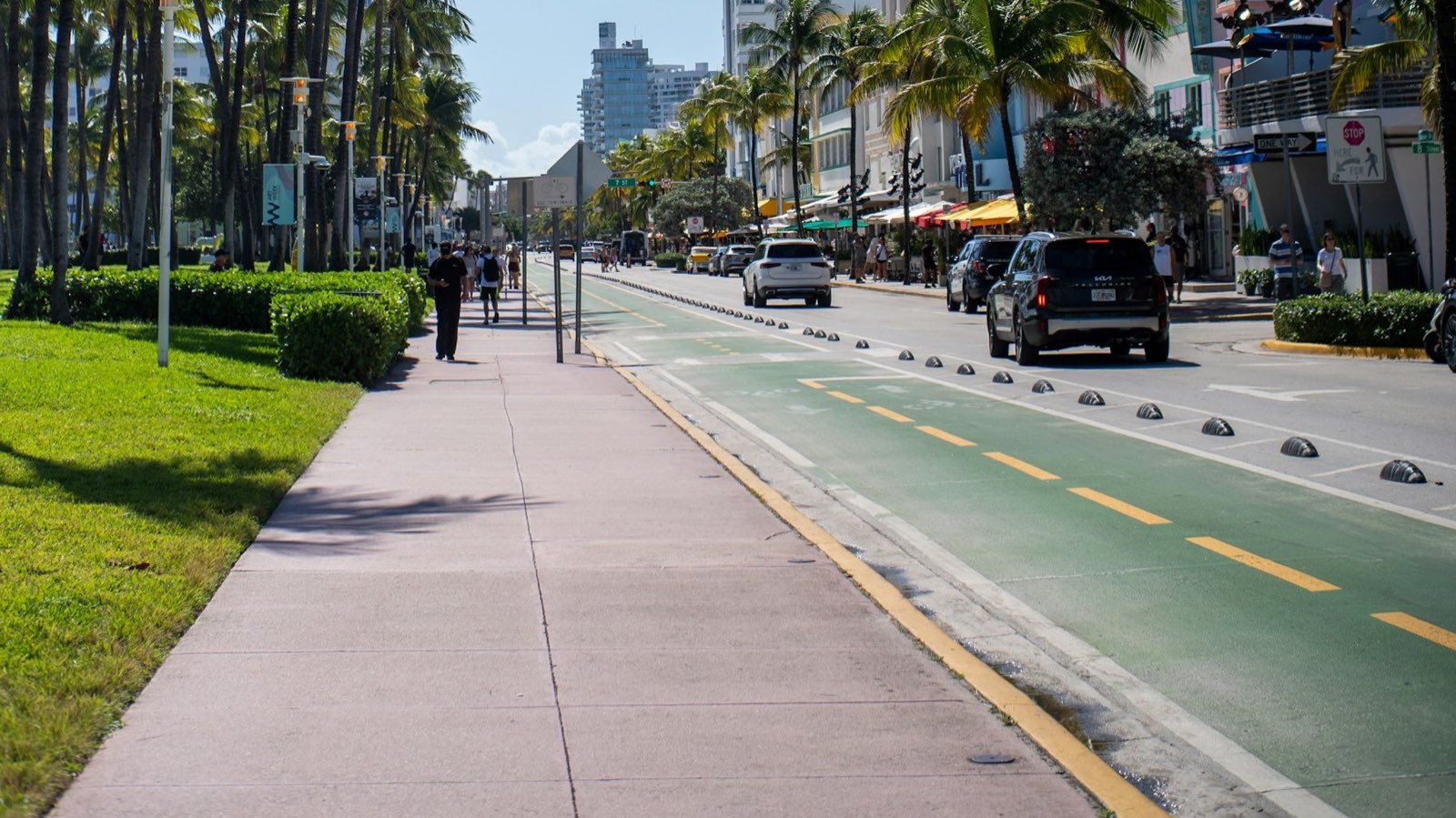
- Riding in the bike lane, or as close as practicable to the right-hand curb, when moving slower than traffic, with exceptions for passing, left turns and hazards such as substandard-width lanes (subsection (5)(a)).
- No more than two abreast, and not impeding traffic when riding side by side (subsection (6)(a)).
Here is a simple example of how the math works. If your damages are $100,000 and a jury finds you 20 percent at fault for riding without lights, your award drops to $80,000. At 51 percent, it drops to zero under § 768.81(6). The helmet is not part of that calculation.
Who Pays Your Medical Bills After a Bike Crash in Miami?
Usually Florida PIP pays first, even though you were on a bicycle. If you own a car, your own PIP covers you when you are injured by physical contact with a motor vehicle while not in a self-propelled vehicle. If you do not own a car, the striking vehicle’s PIP may cover you as a Florida resident.
Both rules come from § 627.736(4)(e). The key limits, all from the same statute (§ 627.736(1)):
- PIP pays 80 percent of reasonable medical expenses, up to $10,000 in medical and disability benefits combined.
- Medical benefits require initial care within 14 days of the crash.
- If no qualifying provider finds an emergency medical condition, medical reimbursement is capped at $2,500.
The physical-contact requirement is the trap most cyclists never hear about. If a driver forced you off the road without touching you or your bike, the PIP coverage described above may not apply, and your health insurance and a claim against the driver's liability coverage become more important. Anything PIP does not cover, including losses above the limits, is pursued against the at-fault driver's insurance.
When Should You Call a Miami Bike Accident Attorney?
As soon as medical care is in place, and ideally before any recorded statement. For crashes after March 24, 2023, Florida generally allows two years to file a negligence lawsuit under § 95.11(5)(a), but camera footage, witness details and bike damage evidence can disappear far sooner.
In the first days after a crash:
- 01Get examined within 14 days so PIP benefits stay available (§ 627.736(1)(a)).
- 02Photograph the scene, the vehicle, your bicycle and your injuries. If you were wearing a helmet, keep it unrepaired and unwashed.
- 03Get the crash report number from the responding agency.
- 04Report the claim to your own insurer, but do not give a recorded statement to the driver's carrier.
- 05Keep every bill, prescription receipt and missed-work record in one folder.
When comparing injury law firms in Miami, ask who will actually handle your file, whether the firm has handled bicycle and insurance-denial cases, and whether you can reach a lawyer after hours. At OneCallLegal, Eric Katz, Esq. leads the personal injury practice, Suzanne Bell, Esq. brings her prosecutor and insurance fraud unit background to carrier disputes and speaks fluent Spanish, and the firm answers calls 24/7. Call 305-INJURED at (305) 465-8733 for a free consultation.
Frequently Asked Questions
Is it illegal for adults to ride a bike without a helmet in Miami?
No. Florida's helmet requirement applies only to bicycle riders and passengers under 16 years of age under § 316.2065(3)(d). An adult riding without a helmet is not breaking state helmet law, and the choice cannot be treated as evidence of negligence in an injury claim under § 316.2065(18).
Can my child's injury claim be reduced because they had no helmet?
Not on that basis. Section 316.2065(18) covers both a rider's failure to wear a helmet and a parent's failure to stop a child from riding without one. Neither may be considered evidence of negligence or contributory negligence, so the insurer should not shift fault to you or your child for it.
Can I get a ticket for riding without a helmet in Florida?
Only if you are under 16. An officer may give a safety brochure and verbal warning, or issue a citation for a pedestrian-level violation under § 316.2065(3)(e). A first helmet violation is dismissed on proof that a compliant helmet was bought. Adults cannot be cited for riding without one.
What if I was partly at fault for the bike crash?
You can still recover if your share of fault is 50 percent or less, but your award is reduced by that percentage. If a jury finds you more than 50 percent at fault, you recover nothing under § 768.81(6). Riding without a helmet does not count toward that percentage.
Will PIP pay if the car never touched me or my bike?
Possibly not. The PIP provisions that cover a cyclist outside a vehicle require that the injury be caused by physical contact with a motor vehicle under § 627.736(4)(e). In a no-contact crash, health insurance and a liability claim against the driver who caused it usually carry more of the load.
How much does an accident attorney in Miami cost for a bike case?
At OneCallLegal, the consultation is free and you pay no attorney fee unless we win your case. That lets you get a lawyer's read on the helmet issue, the PIP claim and the fault picture before you decide anything. Call 305-INJURED at (305) 465-8733, available 24/7.
How long do I have to file a bike accident lawsuit in Florida?
For most negligence claims arising after March 24, 2023, the deadline is two years under § 95.11(5)(a). Claims against government agencies, such as for a dangerous road defect, can involve separate notice rules, so talk to injury attorneys in Miami early rather than waiting until the deadline is close.
Hit by a driver while riding in Miami?
Talk to a Miami bike accident attorney at OneCallLegal before you give the insurer a recorded statement. The consultation is free, we answer 24/7, and you pay no fee unless we win.
Call (305) 465-8733, available 24/7, for a free consultation.
Call 305-INJUREDThis article is general information about Florida law, not legal advice, and does not create an attorney-client relationship. Statutes and their interpretation change, and how the law applies depends entirely on the facts of your situation. Consult a Florida-licensed attorney about your specific case.